
 Paloma

Table of contents
Sleeping at Sirena Ranger Station meant swapping a comfy hotel bed for a bunk bed deep inside Corcovado National Park, where no road goes, and the rainforest surrounds you. I took the boat from Drake Bay, expecting a long day of walking and maybe a monkey or two.
I came hoping for a glimpse of a tapir. I left having seen several, calves included. Those of us staying overnight had the jungle all to ourselves that first afternoon and again the next morning, which is why I’d tell anyone to stay the night at Sirena instead of doing a day trip.
This is what the overnight was really like: the boat ride, the bunk rooms, the food, what it cost, and whether I’d do it again. If you’re still choosing where to go in the park, start with my Corcovado National Park guide.
What is Sirena Ranger Station
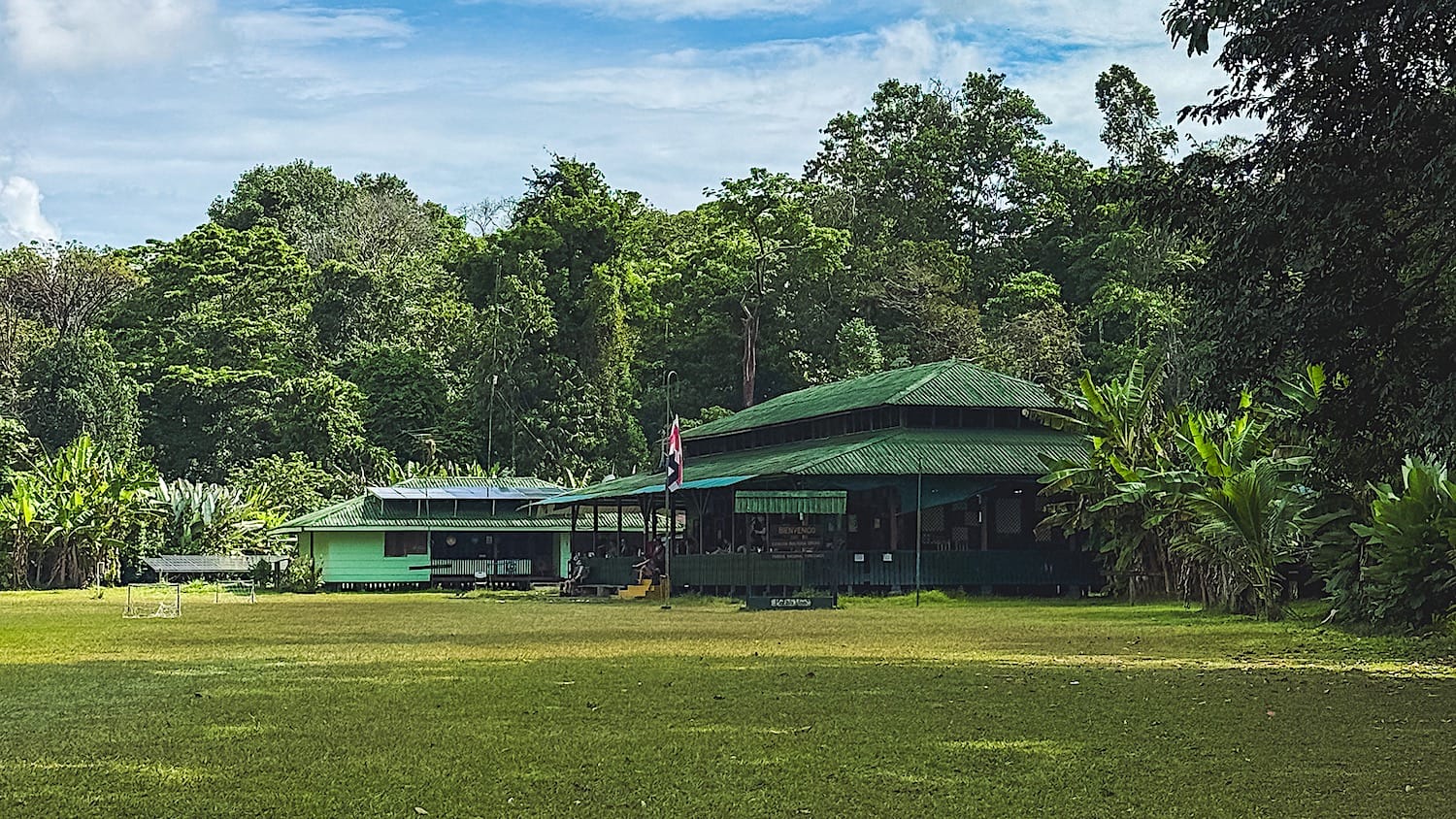
Sirena Ranger Station is the main station of Corcovado National Park and its best-known base for spotting wildlife. It sits deep in the park on the Osa Peninsula, with no road to it. You get there by boat from Drake Bay or Puerto Jiménez, or on a very long hike.
The station is a group of simple buildings that offers bunk-bed accommodation, meals, and camping, and trails start right from it. That’s what makes an overnight stay possible, and what the rest of this post is about. For the national park as a whole, see my Corcovado guide.
Our overnight at Sirena, step by step
1. Boat from Drake Bay
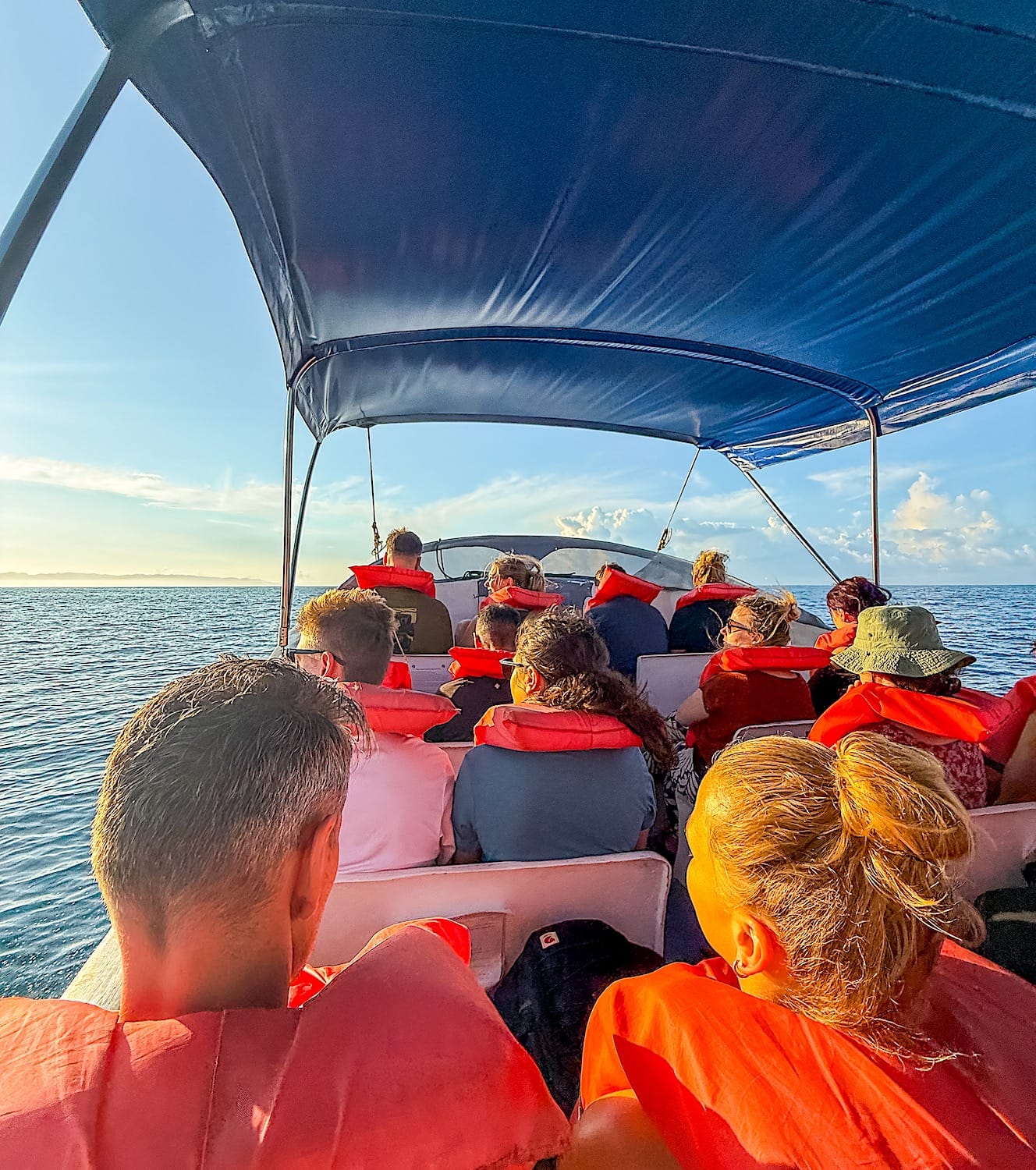
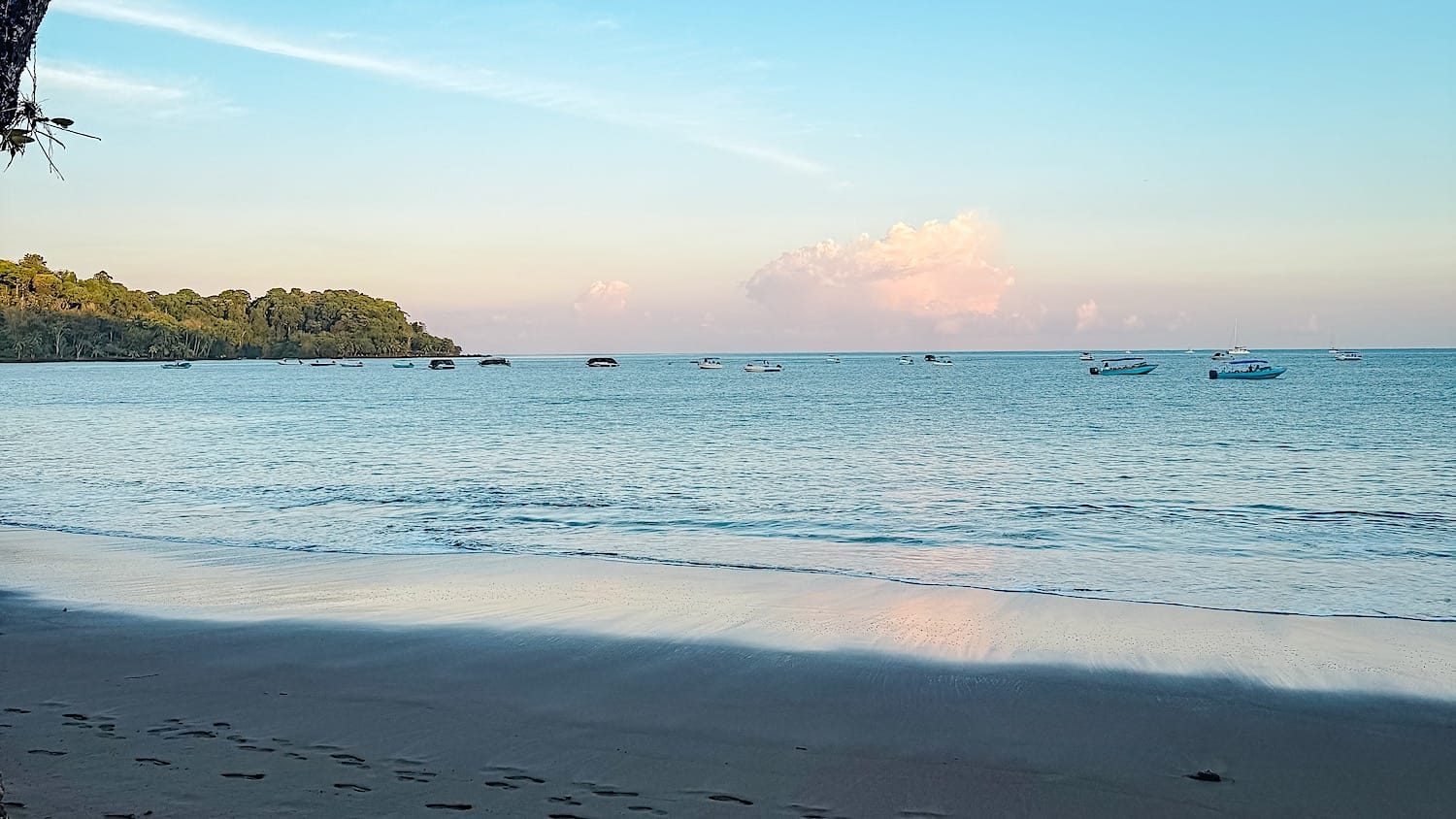
I had to be at the meeting point by the beach at 5:45 a.m. My group and I boarded the speedboat. The boat ride lasted for about 1 hour, and it was smooth.
The mist over the jungle on the shore was beautiful, but unlike other groups, we didn't see any dolphins. When we arrived, we jumped into knee-high water to reach the beach.
2. First morning in Corcovado
On the beach, our guide for the next 2 days greeted us. He took us straight to the check-in point, where we wrote our names and passport numbers, and then the rangers checked our passports (passport photo on the phone). Some people went to the restroom and refilled their water bottles before going into the jungle.
I'm glad we were first at the check-in point, as a long queue formed quickly afterward.
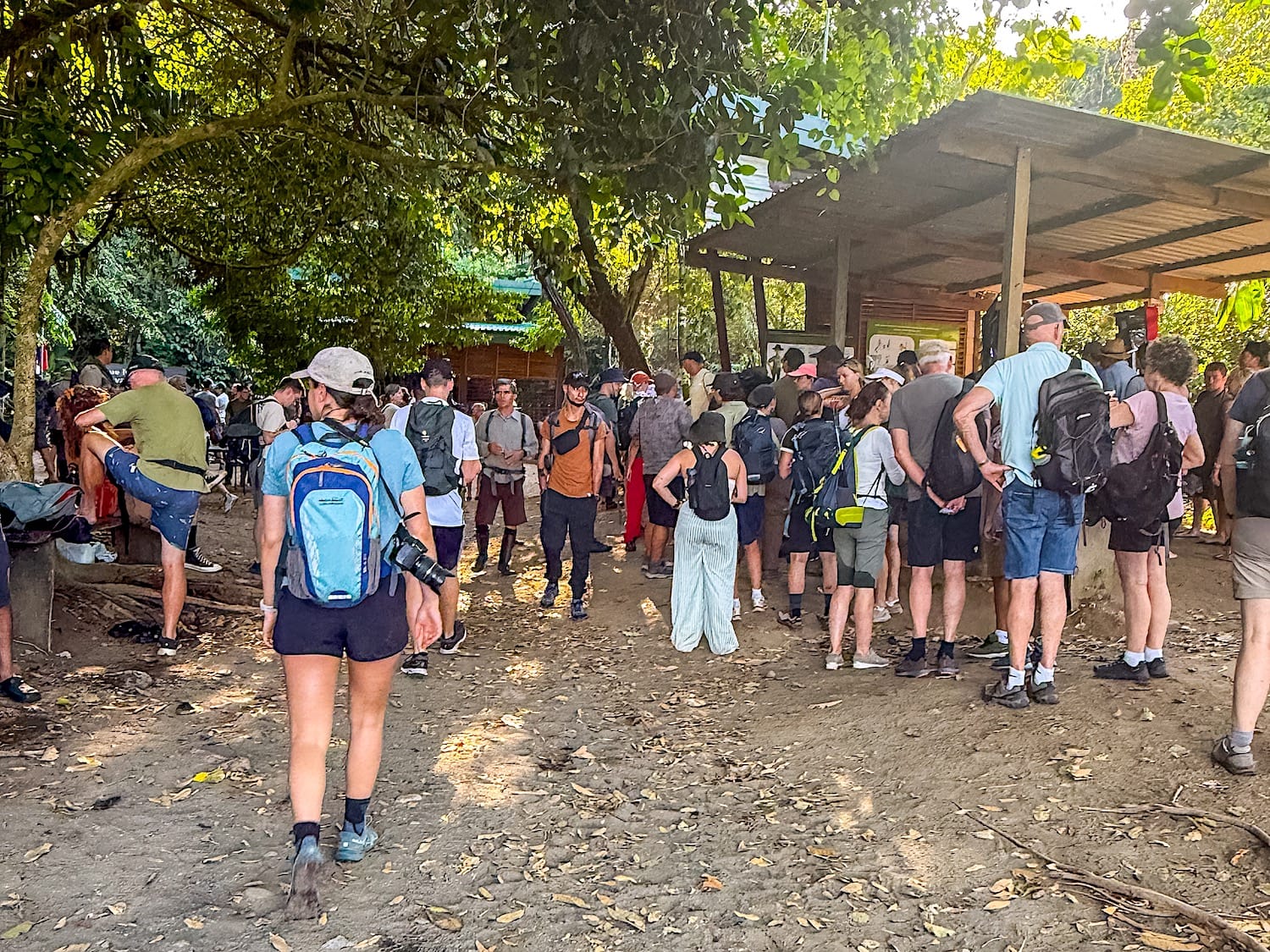
When everyone was ready, we started our first jungle walk. We quickly saw howler and spider monkeys, big insects, and the first tapir (although the view wasn't unobstructed). Note that we had all our belongings with us during this first walk, so pack light.
At the end of the jungle walk, our guide took us to the Sirena ranger station, where we could leave our stuff on the floor (next to the lockers, which were full) while we waited for our bunk bed number. In the meantime, we had lunch.
3. Afternoon in Corcovado
After lunch, the ranger station staff gave us our bunk bed number, and we had about 1 hour of free time, which I used to take a nap.
At the previously agreed-upon meeting time, we met on the porch of the ranger station and headed toward a different jungle section than the one we visited in the morning. The jungle felt calmer during the afternoon, since all the day-tour people had already gone.
Soon into the walk, we saw a group of peccaries moving together. At one point, the peccary leader stopped right in the middle of the trail and looked menacingly in our direction. Our guide told us to stay still and keep our distance, and the peccary finally moved on. That's why you should follow your guide's instructions at all times for safety!
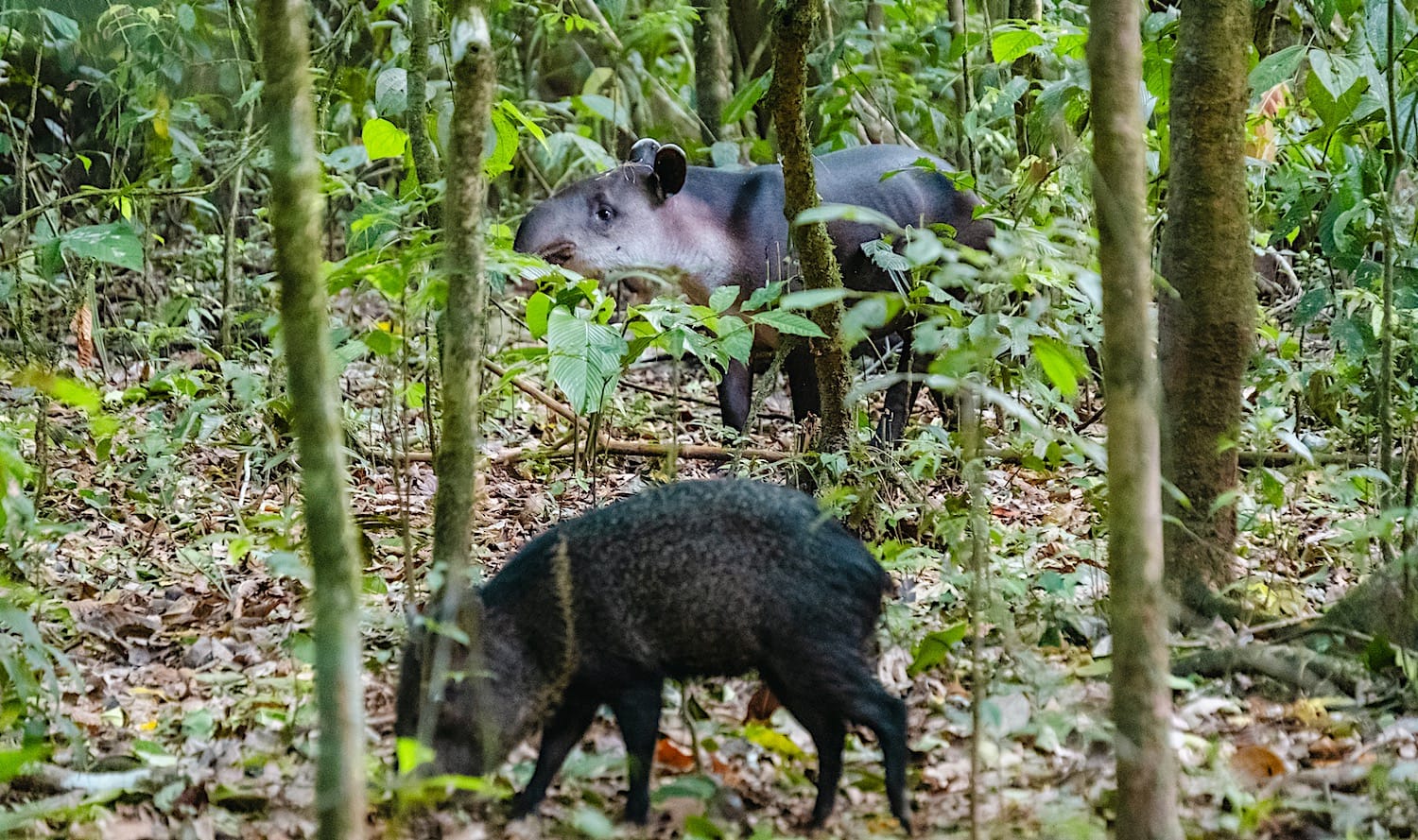
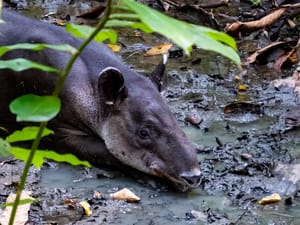
Then we found many tapirs on the trail and mud bathing. They are truly huge! I wasn't expecting that. Finally, we saw spider monkeys and squirrel monkeys.
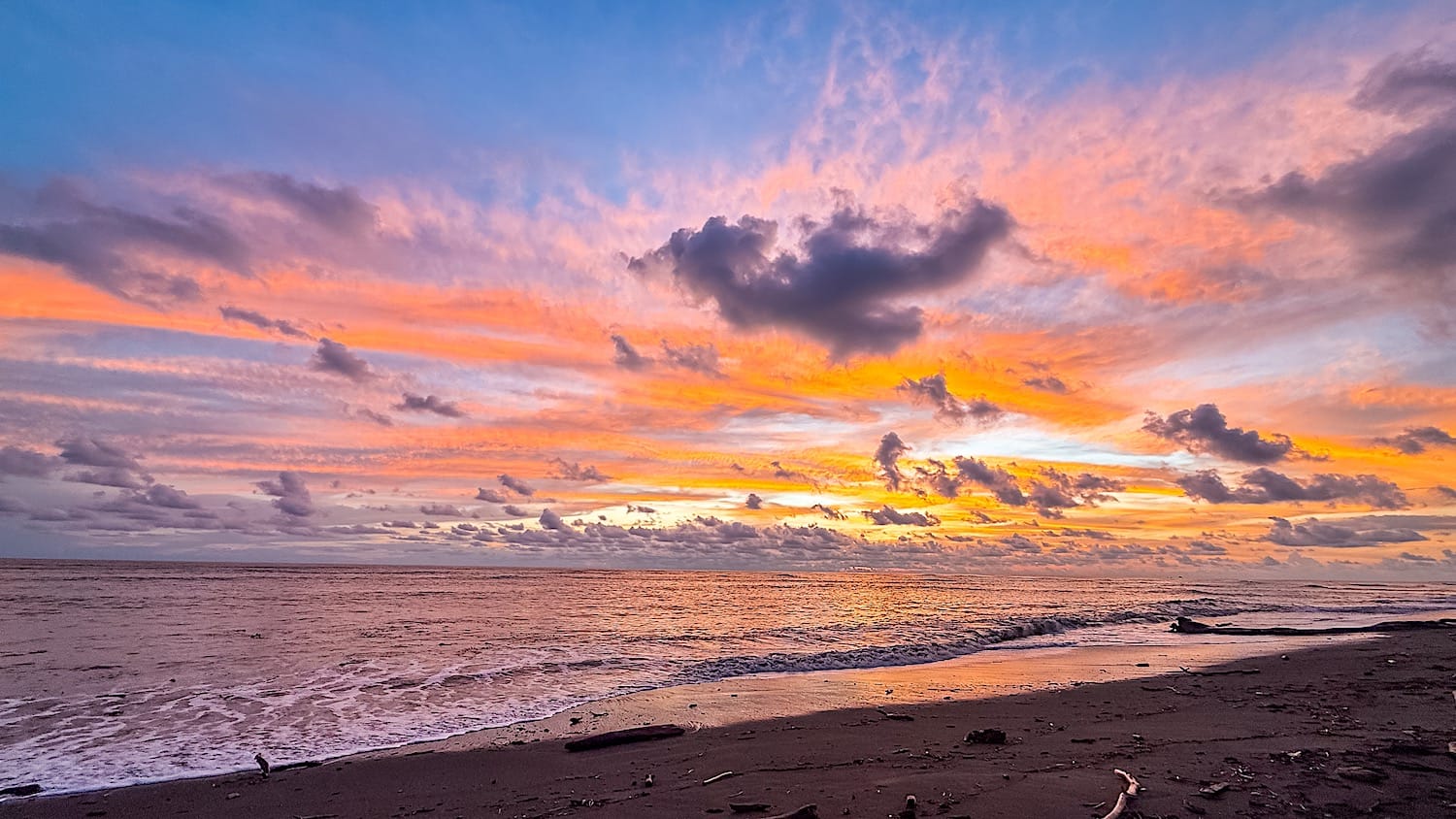
We ended our jungle exploration by watching the sunset on the beach before heading back to Sirena Ranger Station, where we had dinner and went to sleep.
That evening, our guide discussed the options for the next morning with the group: the first involved an earlier wake-up, then breakfast and a to-go lunch. The second was a late start after breakfast and lunch at the ranger station. Our group chose the first, but whether you can choose what you do and which options are available depends on your guide.
4. Second morning in Corcovado
We headed out of the ranger station at 6 am, hoping to find more animals than the day before. The atmosphere was incredible, as many animals were making noises in the jungle, especially the howler monkeys. This is a core memory from the trip.
Unfortunately, we ended up spotting only a few birds that morning (other groups saw animals, we were just unlucky), so getting up early was for nothing.
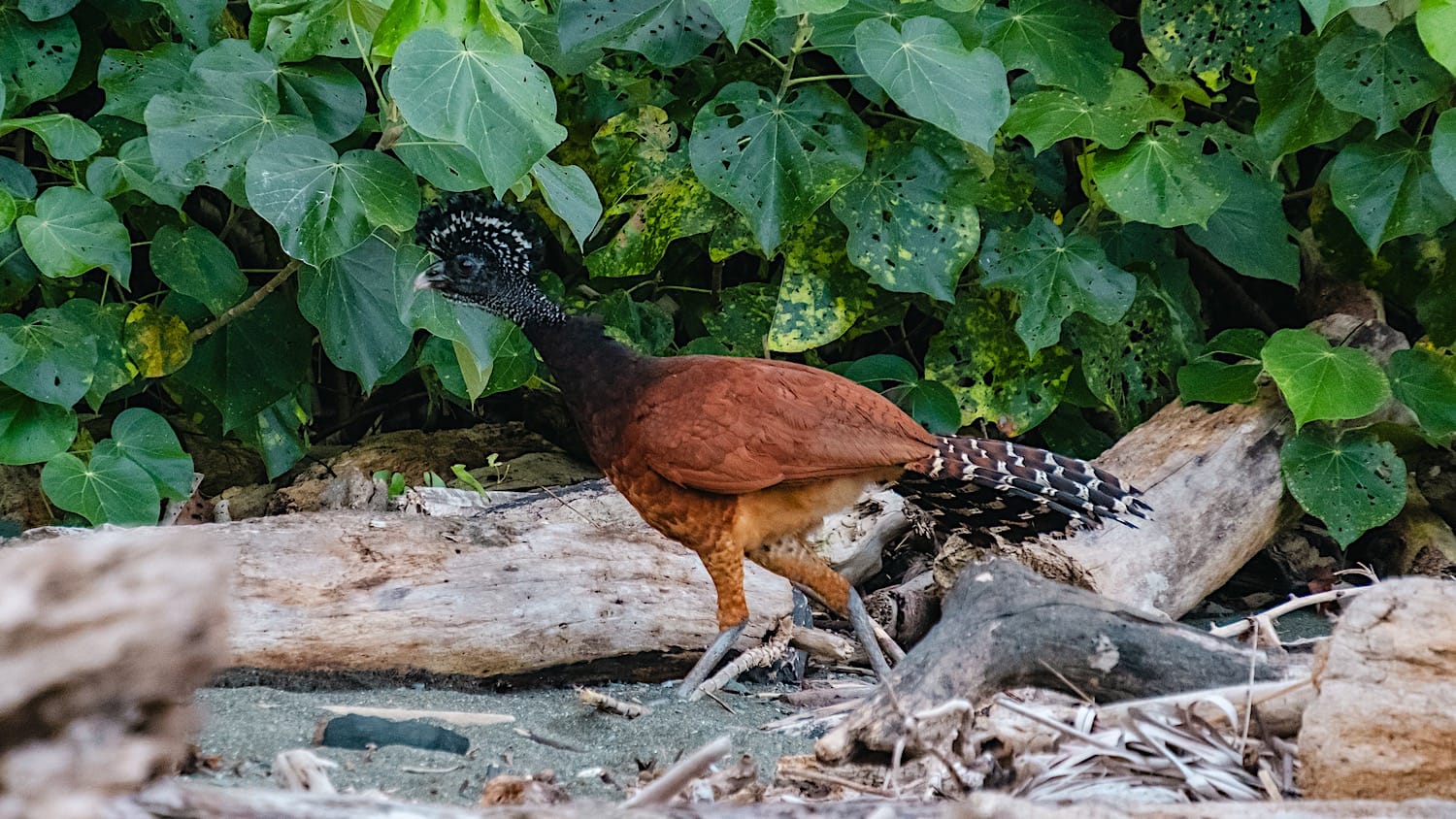
We went back to the ranger station for breakfast and to grab our things before heading out for our last jungle walk of the trip.
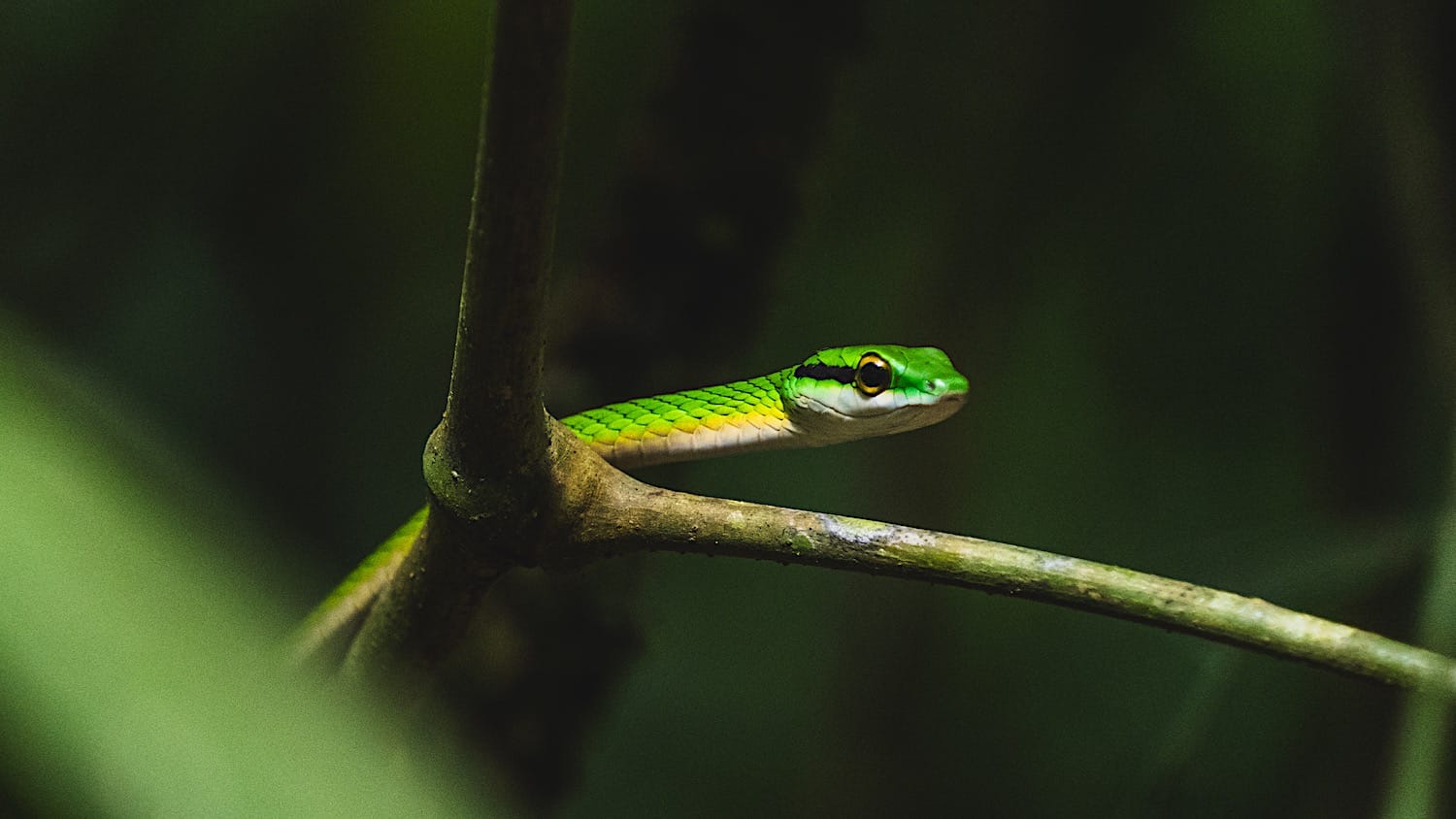
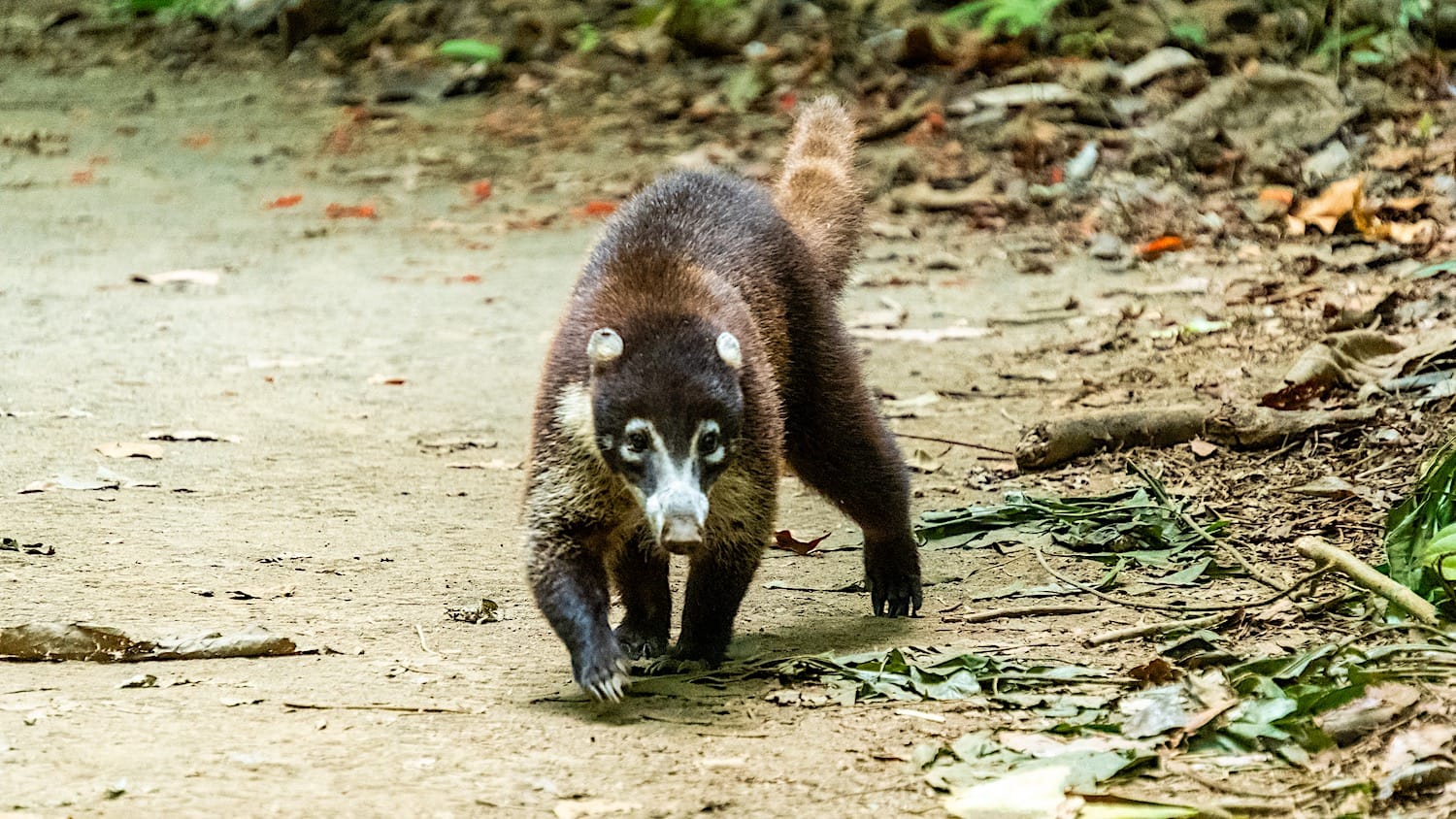
This time, we explored a zone we still hadn't seen. Once again, nature didn't favor us as we only saw a couple of birds, coatis and a small snake. We did see some puma poop, though, which, according to the guide, might have scared other animals away from the zone.
5. Boat back to Drake Bay
The final stage of the trip was taking the boat back to Drake Bay.
It was honestly much more chaotic than the boat to come. We had to walk in the water for about 5 minutes because of a misunderstanding, then kind of scramble to get into the boat.
On top of that, the waves were bigger this time around, and getting the boat out of the bay wasn't easy. At some point, I thought we were going to tip to the side, and there was general commotion.
In the end, we made it back to Drake Bay safe and sound, but don't be surprised if the ride back is bumpier.
What to expect at Sirena: beds, food and facilities
Prices
2-day, 1-night tours usually cost between $345 USD and $400 USD. This price includes a guide, 4 meals, a bunk bed, and round-trip transportation to either Drake Bay or Puerto Jiménez.
We paid $345 USD per person and went with a tour from Drake Bay.
What are the Beds like?
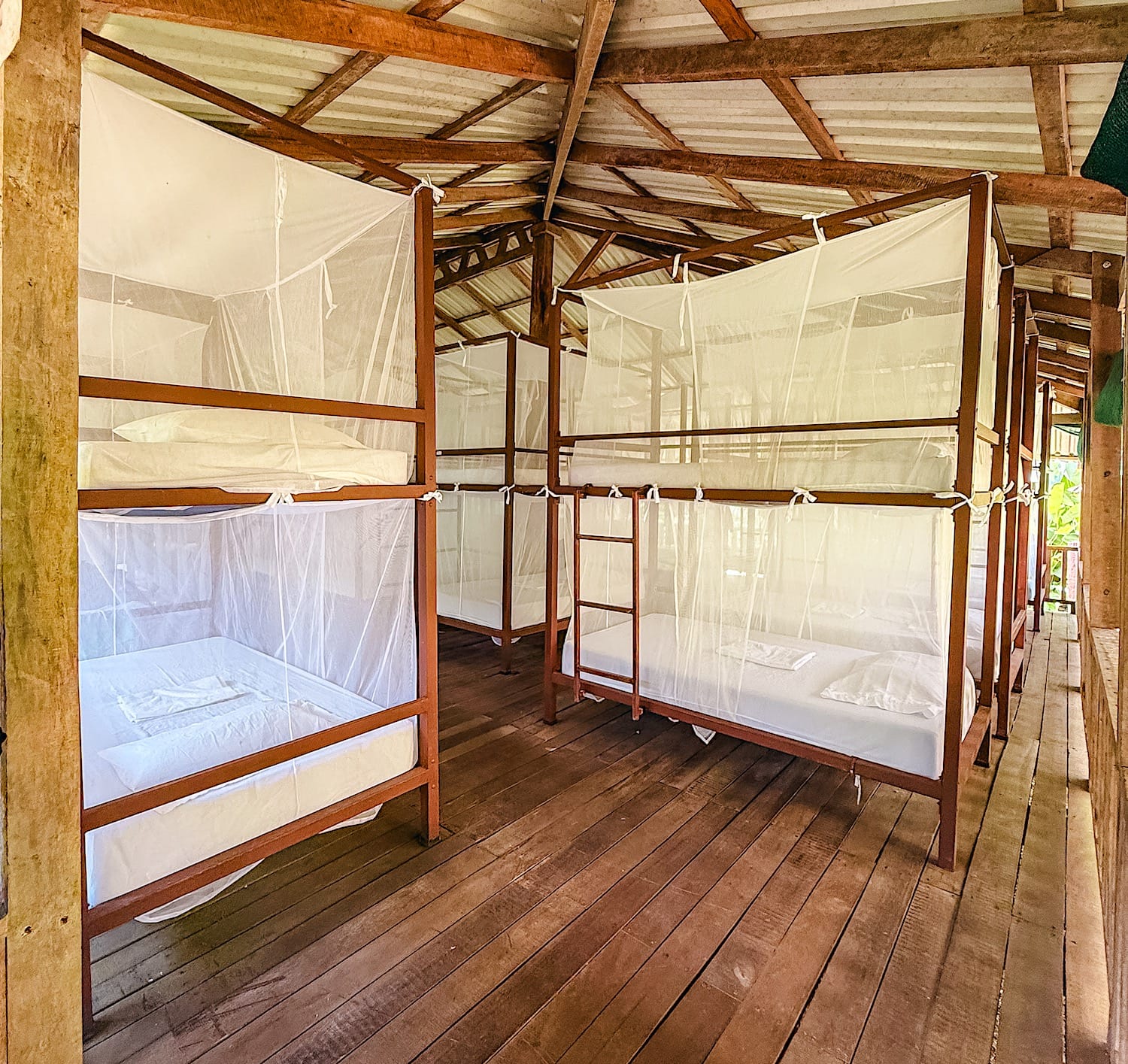
When you arrive at Sirena Ranger Station, you will be assigned a bunk bed. Usually, you don't get to choose your bunk bed, but if you are among the first to get to the ranger station, you might be able to switch from an upper to a lower bunk (and vice versa) if you ask nicely.
The beds are basic but comfortable enough to sleep through the night. However, I regretted not bringing earplugs, as I only slept a few hours because of the snoring symphony throughout the night.
Each bed has a mosquito net surrounding it. Make sure it is properly positioned at all times if you don't want to get eaten up.
Bathrooms
First, know that lights go out at 8 pm at the Sirena Ranger Station. That is why your goal is to have dinner, shower, and recharge your devices as quickly as possible, then head to bed. Trust me, showering in the dark is no fun.
This also means that if you need to use the restroom during the night, you will need to use your flashlight to light the way.
There are about 5 bathrooms and 5 showers per gender. However, with 80 people sleeping at the ranger station at a time, all on the same tight schedule before bed, you might have to wait for a shower to become free.
Facilities
Power sockets
You will find 3 power strips in the dining room where you can recharge your electronic devices. This is the only place where you can recharge in the ranger station (no plugs next to the beds).
Leave your device charging while you have dinner or shower to save time. A surveillance camera monitors all movement in this area, so your device shouldn't be stolen. I personally charged my phone and camera several times, and they were fine.
Drinking water
Several taps have running water, and you can refill your bottle there. Your guide will show you which faucets to use.
Wifi
There's free wi-fi at Sirena Ranger Station, but the signal is poor, so you will probably only use it to send text messages. Wi-fi coverage is limited to the front porch of the ranger station, meaning you won't have any signal from your bed or the dining room.
The food
Breakfast, lunch, and dinner are served in the kitchen. There's usually a queue to get served.
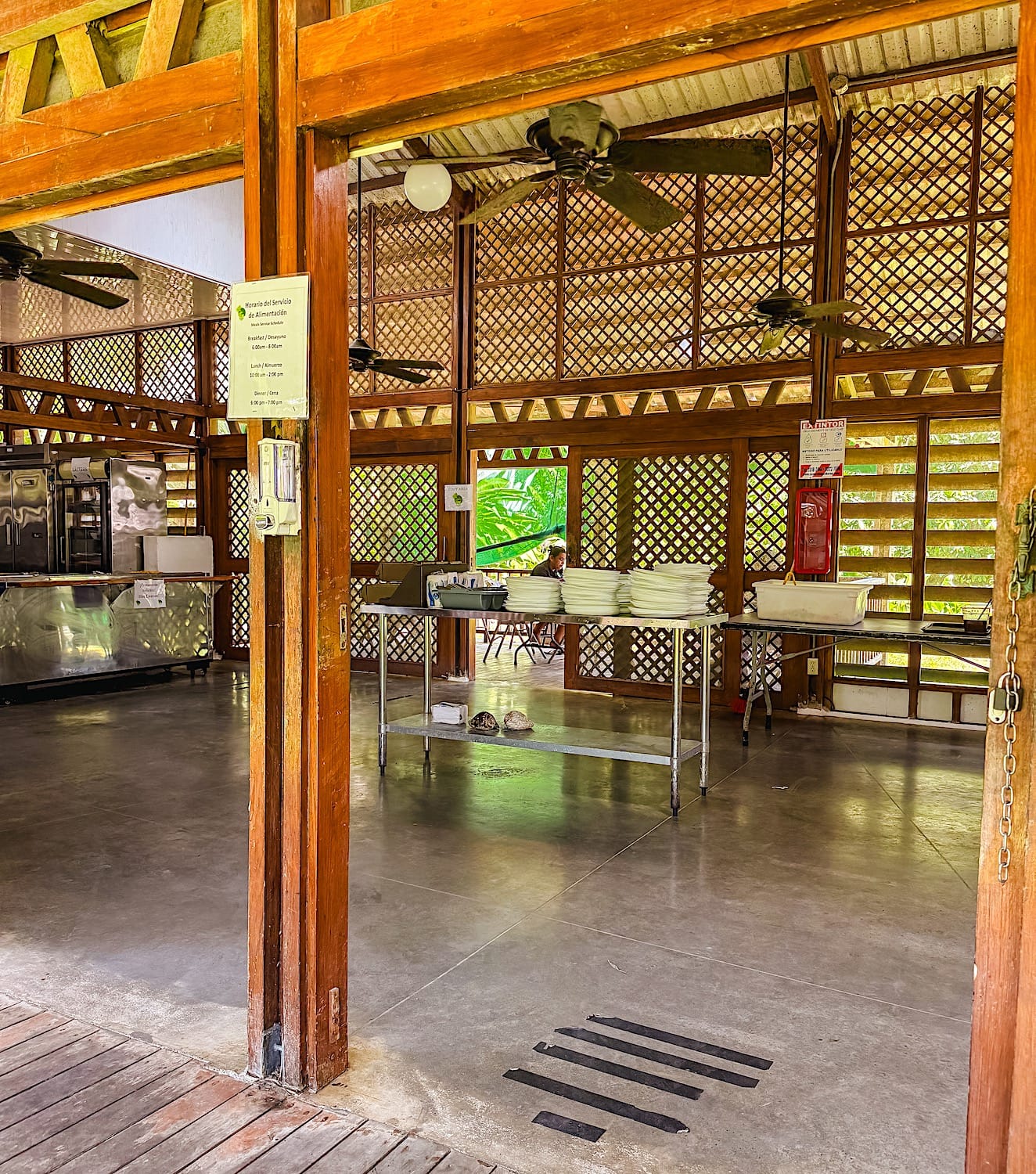
Help yourself to as many carbs (usually rice and beans) as you want, and flavor water. Staff hands out the protein and special ingredients, but you can ask for more if you feel you didn't get enough. There's one rule, though: you can only be served once, so whatever you take out of the kitchen with you, you will not get more.
What to bring
In addition to the essentials already mentioned in the full Corcovado guide, when you stay overnight inside Corcovado National Park, there's some extra stuff you will need:
- Flip-flops for showering at Sirena Station... trust me, the bathroom and shower floors can get disgusting.
- Earplugs because you will sleep in a huge room with 45 other people, and some (most?) of them snore.
- Sleep mask, so you don't get woken up by the flashlight of people going to the bathroom at night
- Cash to buy any extras you might need in the ranger station's mini shop.
- Essential toiletries
My tour with Pacheco Tours: honest review
I took this tour in March 2026 and I have mixed feelings about how good this trip was. What comes next is only my opinion, but I’ve tried to be as clear and precise as I can, so if what bothered me doesn’t bother you, you can book with confidence. I will also talk only about things that were the tour operator’s responsibility.
Ease of booking: ⭐⭐⭐⭐ 4/5
Contacting the company and booking through them was quite seamless. I was nervous about paying so much money online to a company I didn’t know, but I trusted the process, and I’m glad everything went right.
Group size: ⭐⭐⭐⭐⭐ 5/5
Our group was small, only 6 people, which was great for looking through the guide’s monocular and seeing all the details of the different animals.
Communication before the trip: ⭐⭐⭐ 3/5
Before the trip, the company told me what to bring and gave me the meeting point details. They also answered all my questions.
However, the answers were short and sometimes misleading. For instance, I asked whether I would be able to recharge my electronics at the ranger stations, and they answered, “I wouldn’t count on that”, but in practice I fully charged several devices several times. It didn’t have big consequences, but I would have loved a proper answer to my questions.
Guide: ⭐⭐⭐ 3/5
Our guide was nice and chatty, and did his best to find the animals people most wanted to see.
However, his English was limited, and I noticed some people struggled to follow his explanations about the animals. At one point, we stayed in the same place for about an hour where there was a tapir, while other groups moved on and saw other tapirs closer to them. I understand the guide can’t control nature, but the whole group was getting restless, and I would have appreciated it if he had asked us whether to stay or move on.
Overall: ⭐⭐⭐⭐ 3.75/5
What I liked about this tour was the small group size, but if I did it again, I would try to communicate more with the guide.
Overnight or day trip at Corcovado?
For technical reasons, my boyfriend and I went into Corcovado National Park on the same day, but on different tours. He did the one-day trip, whereas I stayed at Sirena Ranger Station overnight.
We both saw tapirs, peccaries, toucans, and monkeys. However, he saw an anteater, and I didn't (which I really wanted to see), and I saw many more tapirs than he did.
In conclusion, while staying overnight gives you more chances of spotting animals, nature is unpredictable, and nothing is guaranteed. If you don't mind sacrificing comfort for one night, I still think the overnight tour is worth it because you get to experience the jungle with fewer people.